Trump’s coercive tantrums escalate as global allies are mocked into supporting his war plans in Iran
03/03/2026 / By Lance D Johnson
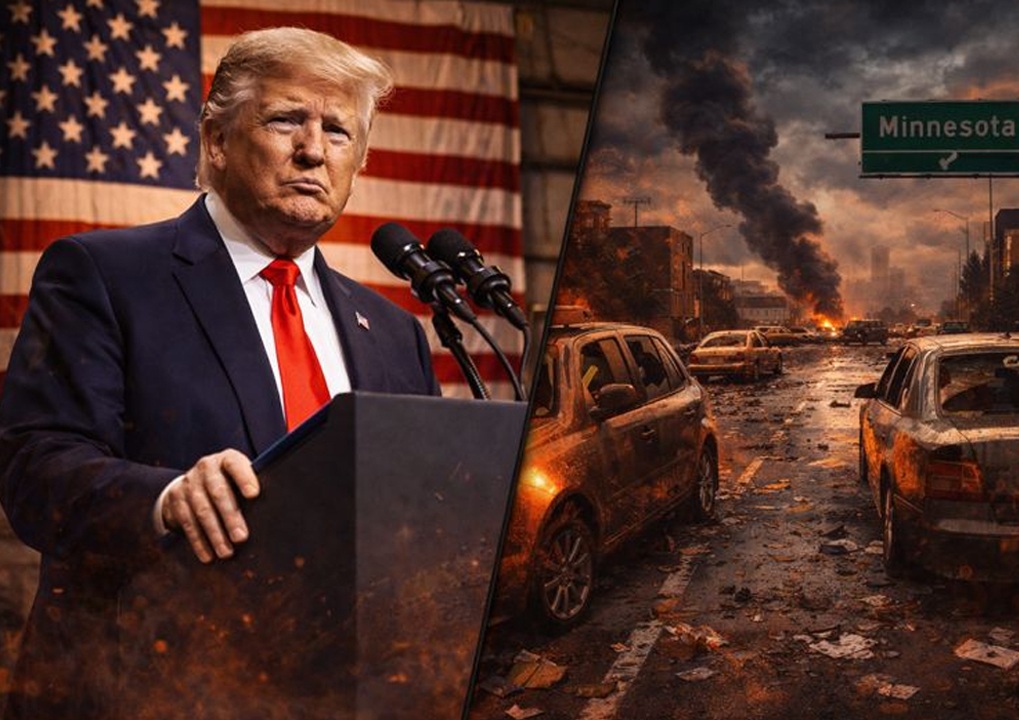
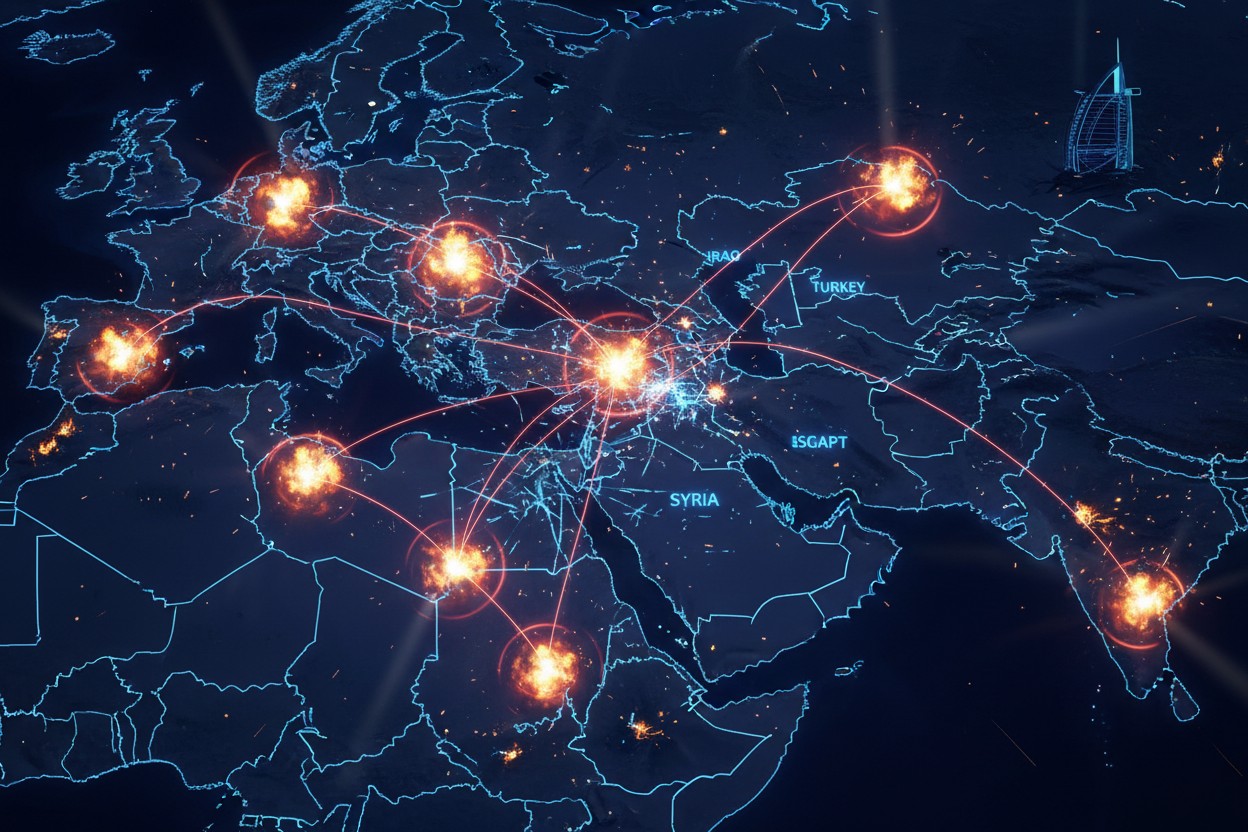
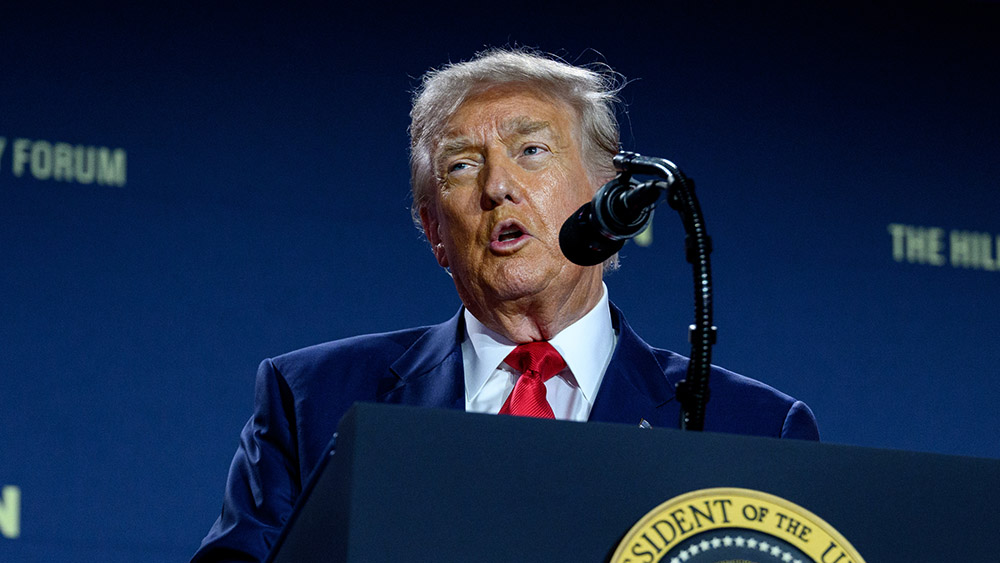
In a dangerous display of belligerent diplomacy, former President Donald Trump is lashing out at international partners, specifically UK Prime Minister Keir Starmer, for refusing to blindly follow the United States into a spiraling military conflict with Iran. As Trump issues threats that it is “too late” for talks and promises more strikes, his frustration has boiled over into public insults aimed at a key ally, revealing a pattern of coercive tantrums when his aggressive agendas are thwarted. This crisis, ignited by U.S. and Israeli missile attacks that killed Iranian leadership, now sees the UK cautiously deploying defensive assets like the warship HMS Dragon to Cyprus, choosing a path of measured protection over Trump’s calls for joint offensive action. The unfolding situation exposes a stark divide in global leadership and raises alarming questions about the stability of international alliances when confronted with unilateral, incendiary demands from a U.S. figure still grasping for power.
Key points:
- U.S. President Donald Trump is publicly attacking UK Prime Minister Keir Starmer for the UK’s refusal to join U.S. and Israeli offensive strikes against Iran.
- Trump warned Iran it is “too late” for diplomatic talks, advocating for continued military escalation.
- The UK government, prioritizing legal justification and national interest, is instead deploying the warship HMS Dragon to Cyprus for defensive operations and enhancing air defenses in the region.
- Trump’s comments, including stating “this is not Winston Churchill we’re dealing with,” mark a significant deterioration in his rhetoric toward a traditional ally.
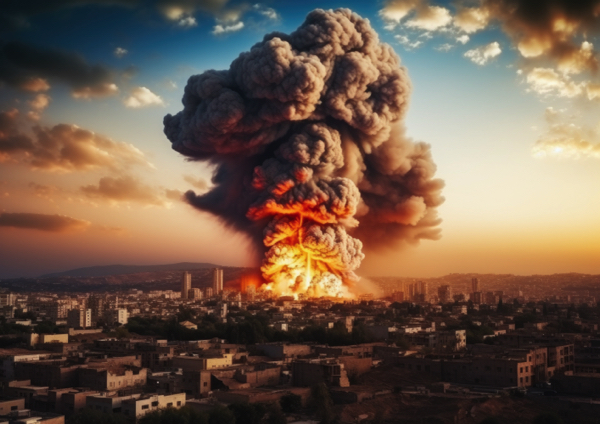
- The conflict stems from a major barrage of U.S. and Israeli attacks on Iran over the weekend, which eliminated high-level targets including Supreme Leader Ayatollah Ali Khamenei.
A special relationship under siege
The bedrock of the Atlantic alliance is being tested not by an external foe, but by the volatile words of an American president. Trump’s latest outburst, where he claimed he was “not happy with the UK” and derided Prime Minister Starmer in a comparison to Winston Churchill, is not mere political theater. It is a calculated pressure campaign. By publicly shaming an ally for exercising sovereign judgment, Trump employs a tactic familiar to observers of his tenure: attempting to bully other nations into submission, to turn them into compliant instruments of a personal foreign policy rooted in confrontation. The UK’s measured response—bolstering defenses, protecting citizens, and allowing U.S. use of bases only for defensive purposes—stands in direct defiance of Trump’s desire for a unified war front. This principled stance has triggered his rage, exposing his disregard for the independent decision-making of other democracies.
The high cost of saying no to war
What happens when a nation dares to say “no” to the war drums beaten by the American and Israeli military industrial complex and its egotistical war mongers? It becomes the target of a smear campaign. Trump’s verbal assault expanded beyond foreign policy into grotesque characterizations of the UK itself, calling London “a very different place” with “terrible people” under Mayor Sadiq Khan. This is the playbook: when you cannot win on the merits of a reckless policy, you demonize the entire population and leadership of the refusing nation. Meanwhile, the British government is navigating a legitimate crisis, responding to an Iranian drone attack on its base in Cyprus by mobilizing advanced naval technology like HMS Dragon, a destroyer equipped with counter-drone capabilities. Critics from opposition parties question the timing, but the move signals a commitment to defense, not offensive adventurism. This distinction is vital. While Trump agitates for more “hardest hits” on Iran, promising a cycle of violence with unimaginable consequences, other nations are forced to clean up the diplomatic and security mess, protecting their citizens from the blowback of actions they wisely chose to avoid.
The world is witnessing a clear choice. On one side, a path of escalation championed by Donald Trump, a path that dismisses diplomacy as “too late” and views allies as vassals. On the other, a path of sober defense and legal caution, exemplified by the current UK administration. The friction between these approaches reveals the enduring danger of a U.S. political faction that views international relations as a series of coercive transactions. As Trump vents his frustration over rejected war plans, the very foundations of global stability shake. The American people and the world must recognize these tantrums for what they are: the dangerous thrashing of a man whose vision for the world would lead it not to safety, but to endless, proliferating conflict.
Sources include:
Submit a correction >>
Tagged Under:
big government, coercive diplomacy, Cyprus base, defense strategy, diplomatic crisis, Donald Trump, global security, HMS Dragon, international backlash, Iran conflict, Iranian-drone, Keir Starmer, Middle East war, military escalation, NATO alliance, political pressure, Sadiq Khan, special relationship, UK military, US foreign policy, war plans
This article may contain statements that reflect the opinion of the author
RECENT NEWS & ARTICLES