Canadian military enlistment surges 13% as Carney pours billions into defense overhaul and Arctic security
03/01/2026 / By Laura Harris
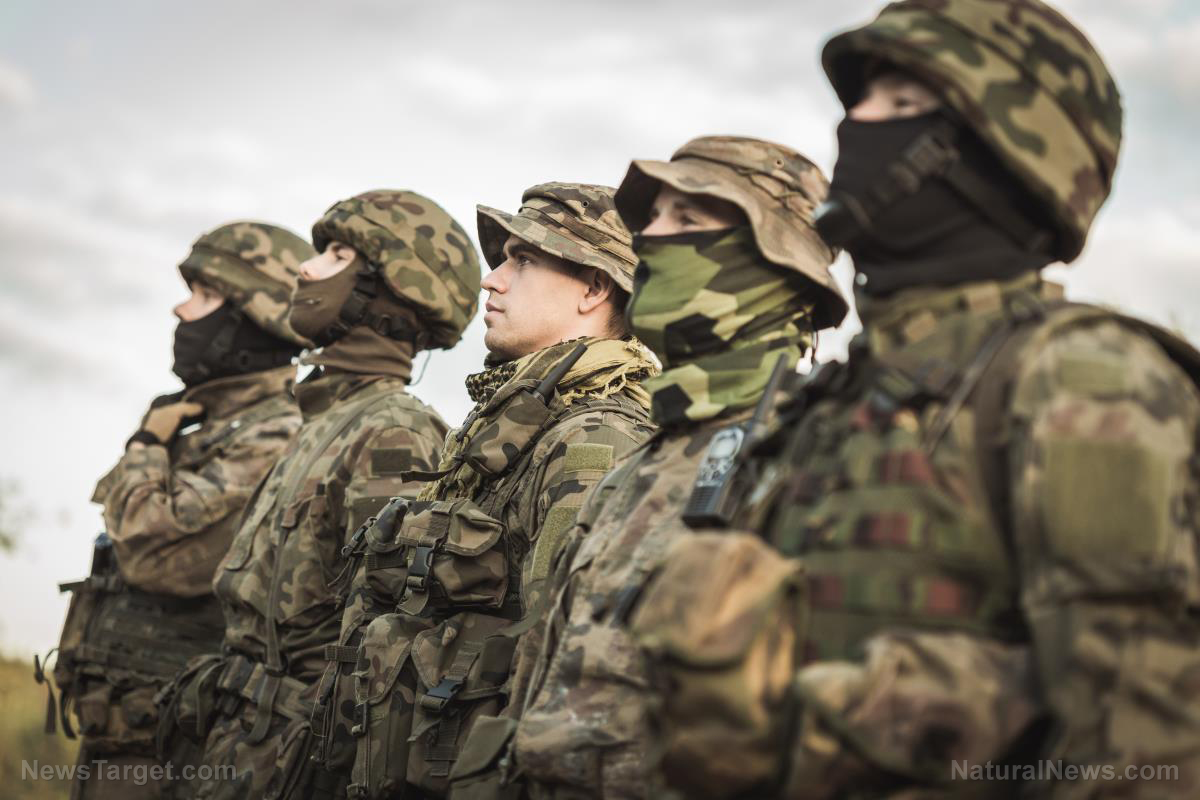
- Canada has seen a 13% surge in military enlistment over the past eight months, according to Defense Minister David McGuinty, amid rising global instability and renewed focus on national sovereignty.
- Prime Minister Mark Carney’s government is committing tens of billions of dollars to rebuild and modernize the military, including meeting NATO’s 2% GDP spending benchmark and pledging to reach 5% by 2035.
- Ottawa’s new Defence Industrial Strategy aims to create 125,000 jobs, shift procurement away from the U.S. under a “Buy Canadian” approach and invest in submarines, fighter jets, warships and Arctic defense.
- The government introduced a 20% pay raise for service members and plans to build 7,500 new military housing units, along with a C$2.67 billion ($1.92 billion) Northern Operational Support Hubs initiative to strengthen Arctic infrastructure.
- While seeking to reduce reliance on the U.S., Carney reaffirmed Canada’s commitment to the North American Aerospace Defense Command (NORAD), calling it a “fundamental” pillar of the country’s security architecture.
The Canadian military experiences a sharp increase in enlistment after committing tens of billions of dollars to rebuild and modernize the military.
In the past few months, Prime Minister Mark Carney’s Liberal government has committed tens of billions of dollars to rebuild and modernize the military.
For instance, Canada is expected to meet the North Atlantic Treaty Organization (NATO’s) previous benchmark of spending 2% of gross domestic product on defense in the coming months. The government has also pledged to reach a new 5% target by 2035 – a level President Donald Trump championed within the alliance last year.
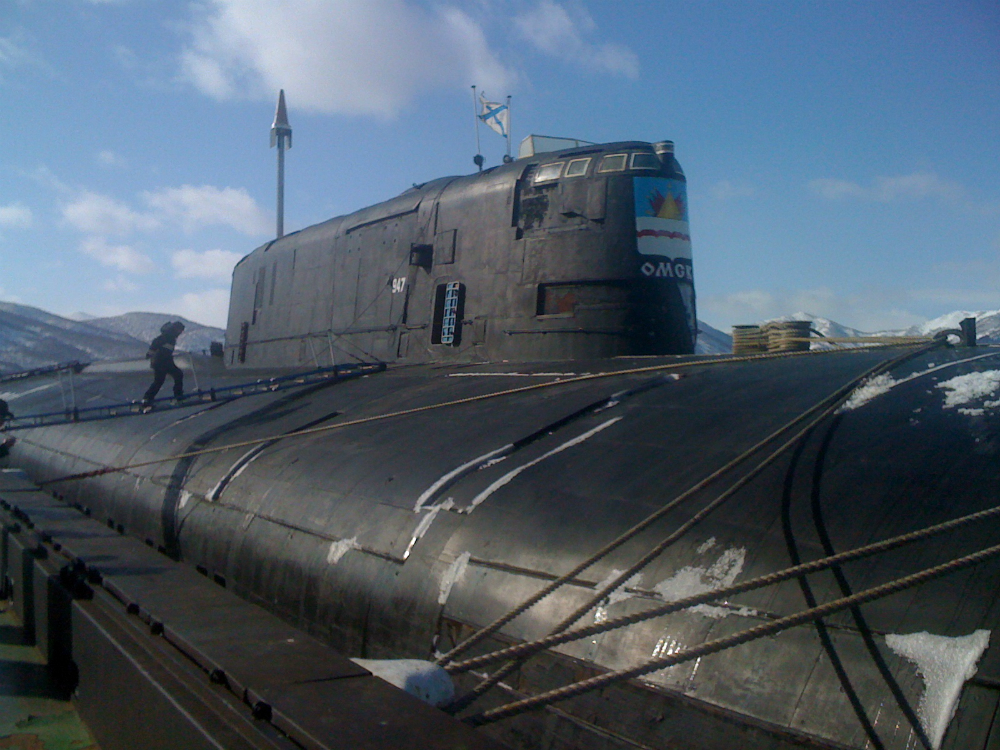
As part of the buildup, Ottawa recently unveiled a new Defense Industrial Strategy that will generate 125,000 jobs and shift more procurement away from the U.S. under a “Buy Canadian” approach. Planned acquisitions include 12 non-nuclear submarines, dozens of next-generation fighter jets and new warships, with a particular emphasis on protecting Canada’s vast and sparsely defended Arctic territory.
To address longstanding recruitment and retention problems, the government has introduced a 20% pay increase for military personnel and pledged improvements to living conditions on bases.
On Tuesday, Feb. 24, Canadian Defense Minister David McGuinty announced the second phase of a housing strategy that includes plans to build 7,500 new military housing units nationwide. He said service members at 13 bases he has visited consistently identified housing shortages and outdated infrastructure as pressing concerns.
McGuinty added that further details are expected soon on efforts to strengthen infrastructure in the Canadian Arctic. These include a C$2.67 billion ($1.92 billion) initiative to establish a network of Northern Operational Support Hubs in the Far North – a cornerstone of Ottawa’s strategy to assert sovereignty in an increasingly contested region.
These defense expansions, along with the rising global instability and renewed concerns about Canadian sovereignty, have fueled a sharp increase in military enlistment.
“Applications are up because Canadians want to serve,” McGuinty said on Tuesday during an announcement outlining plans to expand and modernize military housing on bases across the country. Over the past eight months, he said, new recruitment into the Canadian Armed Forces has climbed by 13%. “They’re very engaged in the project called ‘Canada’ right now. I think they want to make sure that Canada remains a secure and sovereign country.”
Canadian defense strategy to cut U.S. reliance and rebuild domestic military industry
The spending push, according to Carney, is designed to reduce Canada’s reliance on the U.S. and rebuild a domestic military industrial base after decades of under-investment.
According to BrightU.AI‘s Enoch, a domestic military industrial base refers to the network of private companies and government agencies within a country that are involved in the research, development, production and maintenance of military weapons, technologies and related services. These entities are crucial for the mobilization, deployment and sustainability of military operations.
“There are many strengths to this partnership that we have with the United States, but it is a dependency,” Carney said as he formally announced the new Defence Industrial Strategy on Tuesday. The strategy calls for deepening security and procurement ties with European and key Indo-Pacific allies, after economic pressure and annexation rhetoric from Trump.
He argued that Canada must expand its own defense production capacity “so we are never hostage to the decisions of others when it comes to our security.”
The strategy revealed that roughly half of Canada’s defense-related goods and services are exported, with 69% destined for the U.S. and fellow Five Eyes partners – the United Kingdom, Australia and New Zealand.
“The truth is, over the last few decades, Canada has neither spent enough on our defense nor invested enough in our defense industries. We’ve relied too heavily on our geography and others to protect us. This has created vulnerabilities that we can no longer afford,” Carney said, flanked by leading Cabinet ministers at a Montreal-based aerospace company.
However, Carney was careful not to downplay Canada’s longstanding military partnership with Washington, particularly the bi-national continental defense arrangement under North American Aerospace Defense Command (NORAD), which he described as a “fundamental” pillar of Canada’s security architecture.
Watch this clip from “Live from the Lair” as host Terrence Popp discusses how military recruitment is down to 40 percent of typical levels.
This video is from the Redonkulas.com Productions channel on Brighteon.com.
Sources include:
Submit a correction >>
Tagged Under:
big government, Canada, chaos, David McGuinty, defense military, defense plan, defense strategy, economic attacks, enlistment, freedom, liberty, Mark Carney, military, national security, self-defense, threats, US, WWIII
This article may contain statements that reflect the opinion of the author
RECENT NEWS & ARTICLES