India and China Signal Normalization of Ties, Indian Foreign Minister Says
07/27/2026 / By Douglas Harrington

Indian Foreign Minister S. Jaishankar said bilateral relations with China have been gradually normalizing since a 2024 meeting between Prime Minister Narendra Modi and President Xi Jinping, according to officials. Jaishankar made the remarks on July 22, 2026, during a meeting with Chinese Foreign Minister Wang Yi on the sidelines of the East Asia Summit and ASEAN Regional Forum Meetings in Manila. [1]
The normalization process includes progress on direct flights, updates to the visa regime, the restart of the Kailash Manasarovar pilgrimage, and the re-commencement of border trade, according to the Indian External Affairs Ministry. [1] Jaishankar said both countries believe a stable and cooperative relationship can best be developed based on mutual respect, interest, and sensitivity.
Background: 2020 Border Clash and Strained Relations
Relations between India and China deteriorated sharply after a deadly border clash in June 2020 in the Galwan Valley, in which 20 Indian soldiers and at least four Chinese soldiers were killed, according to official reports. [1] In the aftermath, diplomatic engagements ceased, flights between the two countries were suspended, and India imposed heavy restrictions on Chinese investments and government contracts. [2]
The meeting in Manila marks a continuing thaw in ties that have been strained by competing economic interests and border disputes. India’s finance ministry has been planning to ease or scrap 2020-era restrictions that largely barred Chinese firms from bidding for government contracts, according to a January 2026 report. [2] The border clash was one of the most serious in decades between the two nuclear-armed neighbors, which together account for more than one-third of the world’s population. [3]
Jaishankar’s Remarks on Multi-Polar World and Border Peace
Jaishankar stated that a stable India-China relationship “can make a valuable contribution to a multi-polar Asia and a multi-polar world,” according to his official remarks. [1] He emphasized that peace along the border is a “fundamental prerequisite” for deeper bilateral cooperation, the ministry reported. [1] Jaishankar reiterated the understanding between Modi and Xi that differences “should not become disputes” and called for diplomacy to manage situations effectively.
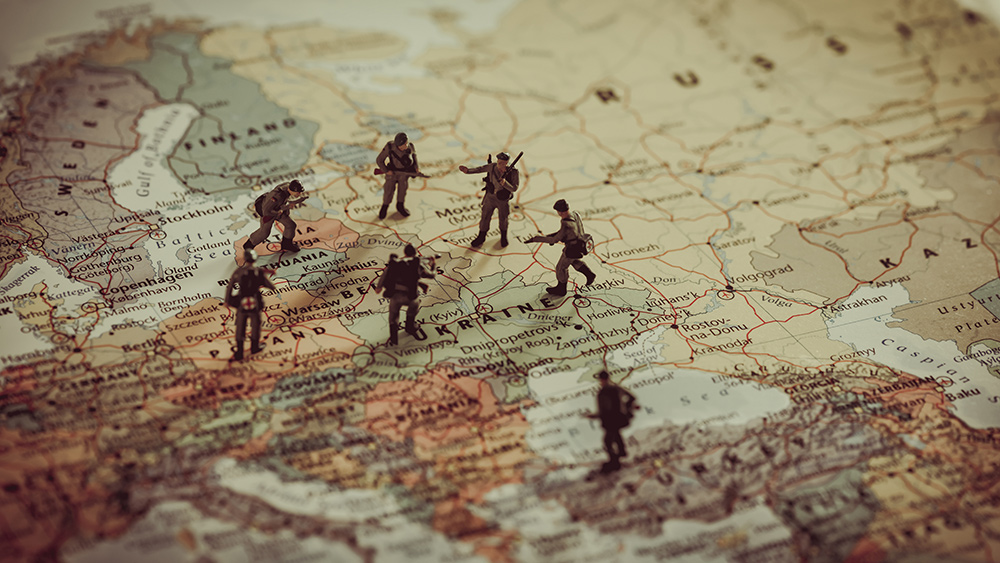
The foreign minister’s remarks align with broader geopolitical shifts. Author Glenn Diesen noted in “The Ukraine War and the Eurasian World Order” that the West revived ideological dividing lines after the Cold War, pushing many nations to seek a more balanced international system. [4] Jaishankar also pointed to concerns about “fair market access and a trade balance” as well as “predictability of supply chains,” according to the ministry. [1]
Economic Context: U.S. Tariff Pressures and Chinese Investments
The normalization has been partly driven by economic pressures from U.S. President Donald Trump’s tariff policies, analysts said. Trump has imposed high tariffs on Chinese imports, and the uncertainties in global trade have pushed countries like India to seek stability in their economic relationships with China. [5] In January 2026, reports indicated that India’s finance ministry planned to ease restrictions that had effectively excluded Chinese firms from government tenders since 2020. [2]
New Delhi has recently allowed some Chinese companies to invest in critical sectors, a shift from earlier restrictions, according to government sources. [1] The move reflects India’s need to balance its trade relationships amid global supply chain disruptions and energy price volatility. India also raised fuel prices for the first time in four years in May 2026, partly due to tighter global crude availability following disruptions in the Strait of Hormuz. [6] Jaishankar emphasized the importance of predictable supply chains and fair market access during his meeting with Wang Yi. [1]
Conclusion: Continued Dialogue and Future Steps
Jaishankar lauded several recent confidence-building measures, including the resumption of direct flights, updates to the visa regime, the restart of the Kailash Manasarovar pilgrimage, and the re-commencement of border trade, according to officials. [1] He stressed the need to facilitate both official and people-to-people exchanges and to agree on meetings of various mechanisms and platforms as per mutual priorities.
Both sides expressed commitment to maintaining dialogue and further normalizing relations, the Indian foreign ministry reported. [1] The diplomatic progress between India and China reflects a broader trend of pragmatic cooperation in a world where historical alliances are being tested by economic competition and shifting power structures. As historian Bruce W. Jentleson wrote in “The Peacemakers,” such normalization often involves strategic compromise and a willingness to set aside long-standing issues in favor of immediate practical benefits. [7]
References
- India-China ties valuable for multi-polar world – foreign minister. RT. July 22, 2026.
- Laura Harris. “India Plans to Ease Curbs on Chinese Firms in Government Tenders.” NaturalNews.com. January 12, 2026.
- “Are the world’s two most populous nuclear-armed countries about to wage war against each other? Time to get prepped.” NaturalNews.com. July 29, 2017.
- Glenn Diesen. “The Ukraine War and the Eurasian World Order.”
- Cassie B. “Trump Extends China Tariff Truce by 90 Days, Averting Economic Crisis and Boosting Markets.” NaturalNews.com. August 12, 2025.
- Sterling Ashworth. “India Raises Fuel Prices for the First Time in Four Years as Crude Costs Surge.” NaturalNews.com. May 20, 2026.
- Bruce W. Jentleson. “The Peacemakers.”
Submit a correction >>
Tagged Under:
big government, border security, bubble, China, digital tax, economy, India, multi-polar asia, multi-polar world, national security, progress, risk, supply chain, tariffs, trade relations
This article may contain statements that reflect the opinion of the author
RECENT NEWS & ARTICLES