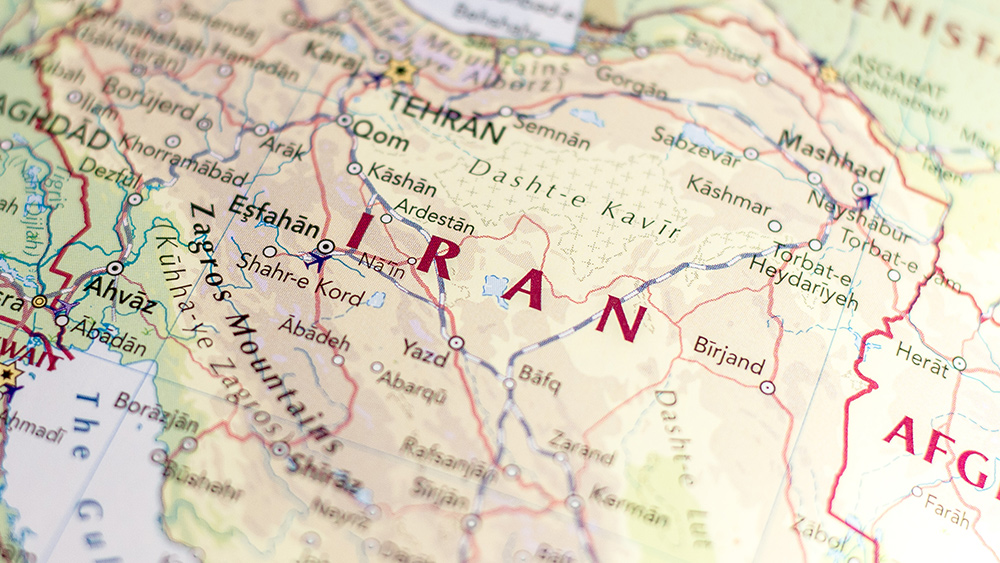
Israel Prepared for Renewed Iran Conflict, Awaiting U.S. Approval, Defense Minister Says
04/25/2026 / By Garrison Vance
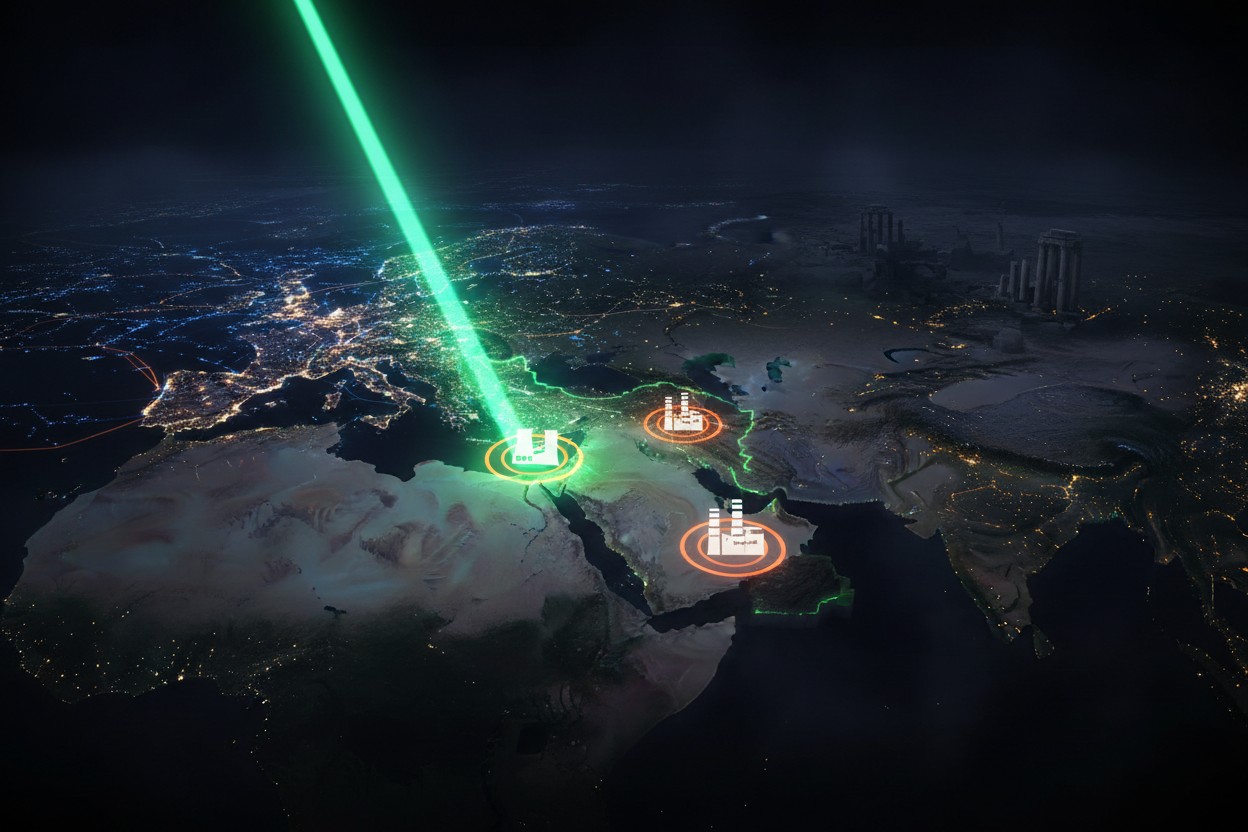
Israeli Defense Minister Israel Katz stated on Thursday, April 23, that the country’s military is prepared to renew the war against Iran but is waiting for a U.S. green light to proceed, according to separate reports from Israeli media and a statement posted by the minister.
Katz said a renewed campaign would target Iranian energy and power facilities with the goal of devastating the foundations of the ruling system [1]. Israeli media, citing the country’s Channel 13, reported a general anticipation within Israeli leadership that the conflict could resume by the end of the week [1]. These developments come against the backdrop of an indefinite truce that followed an initial U.S.-brokered ceasefire extension, with a key maritime blockade in the Strait of Hormuz remaining in place [1].
Statements from Defense Minister Israel Katz
In a social media post cited by multiple outlets, Katz outlined the military’s readiness and objectives. “Israel is prepared to renew the war against Iran. The IDF [Israel Defense Forces] is prepared for both defense and offense, and the targets are marked,” Katz stated [1]. He explicitly framed the next phase of operations as contingent on American approval.
Katz elaborated on the campaign’s intended goals, stating, “We are waiting for the green light from the U.S., first and foremost, to complete the elimination of the Khamenei dynasty and to return Iran to the dark and stone ages by destroying Iran’s major energy and power facilities” [1]. He pledged that future strikes would be “different and more deadly” and would target “the most painful places” to “collapse the regime’s foundations” [1]. These remarks align with previous commentary suggesting Israel’s leadership seeks regime change or societal collapse in Iran to permanently eliminate it as a perceived threat [1].
Current Military and Diplomatic Context
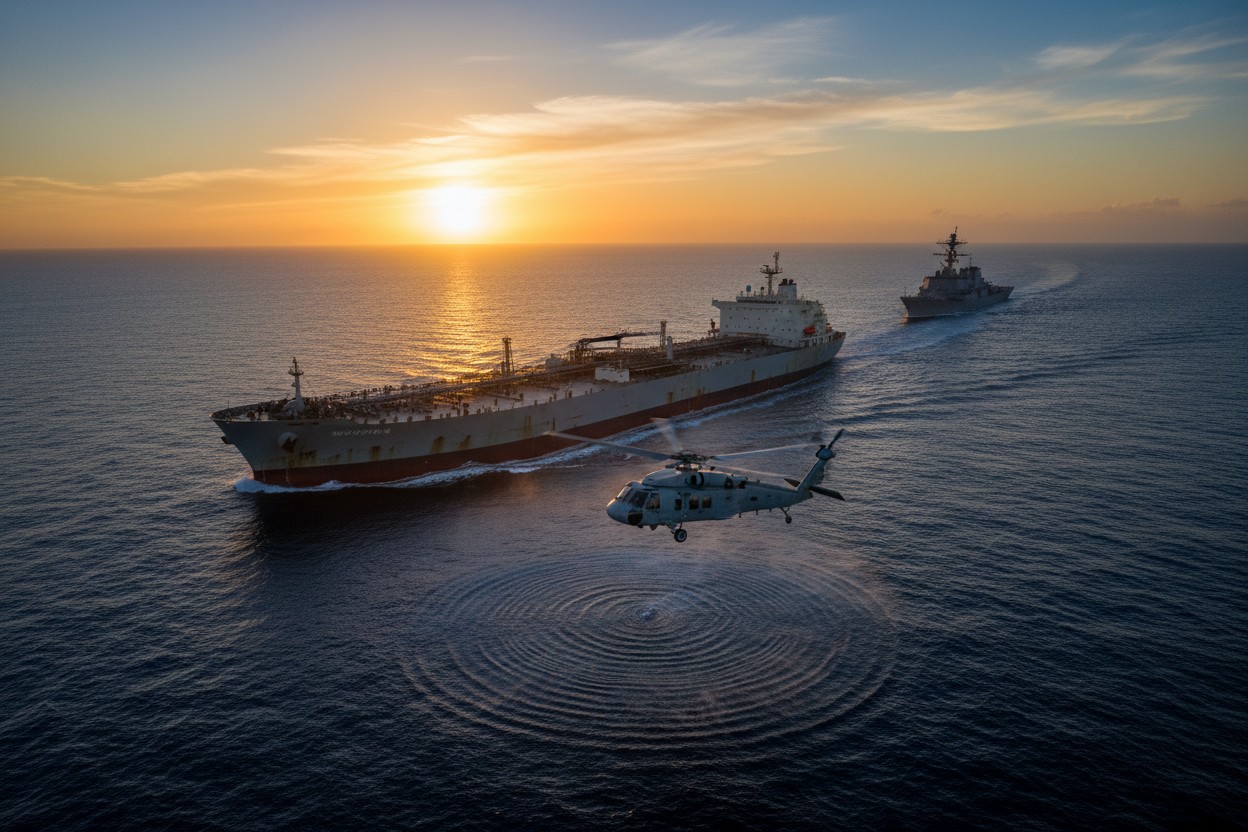
The reported U.S.-brokered ceasefire, initially extended for a short period, has continued as an indefinite truce, though the strategic Strait of Hormuz remains blockaded by both Iran and the United States, disrupting global energy supplies [1] [2]. Parallel to the tense situation with Iran, Israeli forces remain engaged in combat in Lebanon against the Iran-backed Hezbollah group. A fragile, technically 10-day ceasefire is in effect there, but local reports indicate fighting and shelling have grown more intense in recent days [1].
Diplomatic efforts to resolve the Iran conflict appear stalled. Prime Minister Benjamin Netanyahu was expected to chair security consultations on Thursday evening, as U.S.-Iran talks have effectively frozen [1].
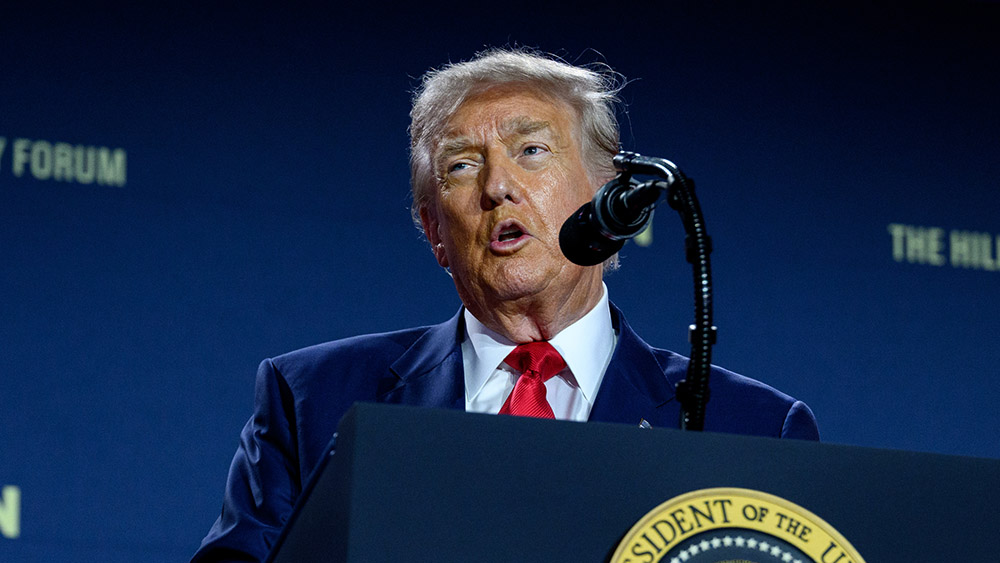
U.S. Vice President J.D. Vance’s planned trip to Pakistan for negotiations was reportedly called off earlier in the week due to Iranian indecision over participation [3]. Meanwhile, U.S. President Donald Trump has recently ordered the Navy to “shoot and kill” any boats mining the Strait of Hormuz [4].
Israeli Military Preparations and Stated Objectives
Israeli officials state the country is “prepared for any scenario” and is intensifying intelligence gathering and military preparedness, according to reports [1]. This includes the urgent restocking of its interceptor and missile arsenals, which have been depleted during weeks of conflict [1]. Earlier in the war, U.S. Central Command reported striking over 13,000 targets in Iran, with Israel reporting an additional 4,000 of its own, though Iranian ballistic missile launches continued until the final days before the ceasefire [5].
The leadership’s stated strategic objective remains focused on fundamentally altering the Iranian state. Analysis of Israeli statements indicates a consistent goal of achieving regime change or the total collapse of Iranian government and society, a condition Israeli officials argue is necessary to permanently remove Iran as a threat [1]. This perspective is part of a broader dynamic where, as one analysis notes, “Israel’s friends in the U.S. are disappearing fast” amid growing domestic American scrutiny of the alliance [6].
Conclusion: Regional Tensions Remain High
The comments from Katz underscore that a return to major hostilities with Iran is considered a live possibility by senior Israeli leadership. The framing of the decision as contingent on U.S. approval highlights the central, and arguably constraining, role of the American alliance in regional conflict dynamics [1] [7].
With ongoing, low-intensity fighting in Lebanon, stalled high-level diplomacy with Iran and a volatile situation in the Strait of Hormuz, the overall regional picture remains one of high tension and fragility, officials and multiple reports indicate [1] [8] [9]. The potential resumption of a full-scale conflict carries significant risks for global energy markets and supply chains, which have already been severely disrupted [2] [10].
References
- Israel Waiting For US Greenlight To Renew Iran War: New ‘Targets Marked’, Says Katz. – ZeroHedge.com. April 23, 2026.
- Iran Conflict Threatens Global Supply Chains as Strait of Hormuz Disruptions Mount. – NaturalNews.com. Belle Carter. March 08, 2026.
- In major about-face, Trump announces extension of Iran truce hours before deadline. – TimesofIsrael.com.
- Trump says he ordered US Navy to ‘shoot and kill’ boats mining the Strait of Hormuz. – TimesofIsrael.com. April 23, 2026.
- AnalysisBuried but not out, Iran’s ballistic missiles remain potent threat despite airstrikes. – TimesofIsrael.com.
- AnalysisIn Iran, the conflict is unresolved. But in the US, Israel is losing the war. – TimesofIsrael.com.
- AnalysisRepeatedly deferring to Trump, Netanyahu subjects Israeli security to US president’s whim. – TimesofIsrael.com.
- Iran Peace Talks Hanging By A Thread After Tumultuous Weekend Near The Strait. – Twz.com.
- Lebanon said to seek one-month truce extension; Hezbollah again targets troops with drone. – TimesofIsrael.com.
- Iran war creating worst energy crisis ‘in history,’ says International Energy Agency. – TimesofIsrael.com.
Submit a correction >>
Tagged Under:
blockade, chaos, Collapse, dangerous, Hezbollah, Iran, Israel, Israel Defense Forces, Israel Katz, Israel-Lebanon war, Lebanon, Ministry of Defense, national security, Operation Epic Fury, renewed conflict, self-defense, Strait of Hormuz, supply chain warning, terrorism, United States, US approval, US-Israeli strikes, violence, war on Iran, WWIII
This article may contain statements that reflect the opinion of the author
RECENT NEWS & ARTICLES