Sanctions on Iran may be lifted if the nation dilutes enriched uranium
02/11/2026 / By Lance D Johnson
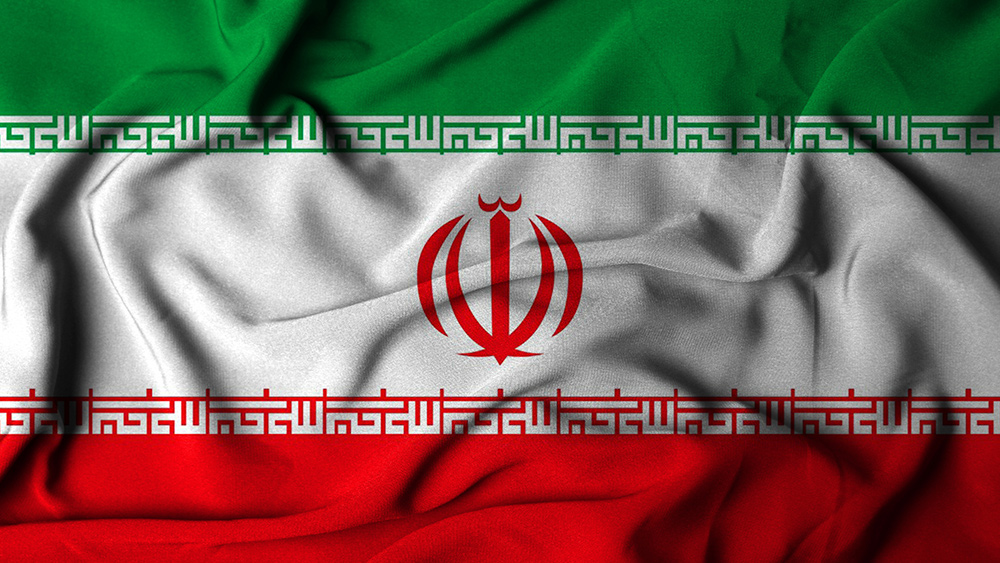
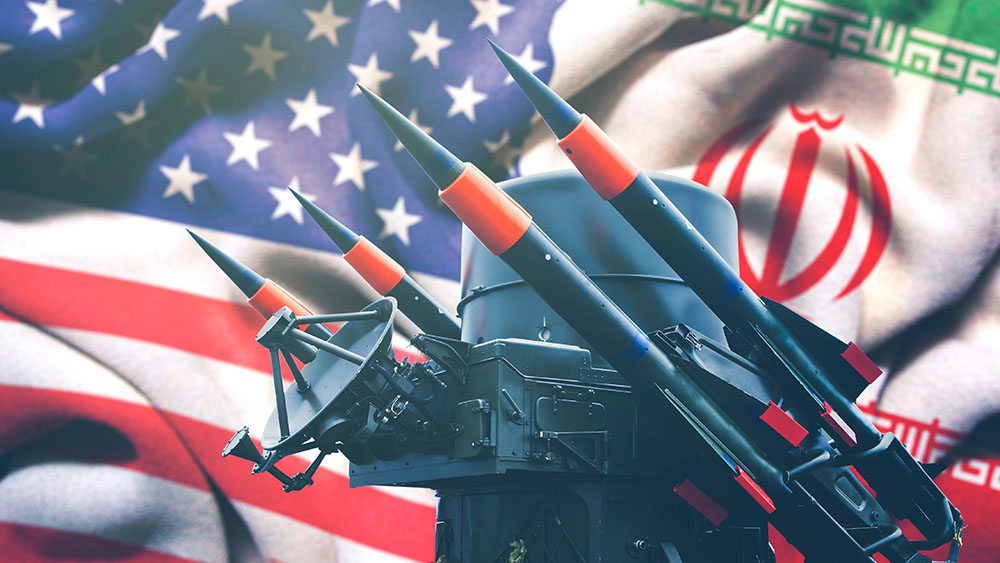
In a high-stakes maneuver that could either defuse a looming Middle East conflict or ignite it, Iran has publicly offered to dismantle a key component of its nuclear program in exchange for a complete lifting of U.S. economic sanctions. The overture, delivered by Iran’s atomic chief Mohammad Eslami on Monday, throws a new variable into the volatile mix of indirect negotiations, massive U.S. military deployments, and Israel’s vehement opposition to any deal. This proposal directly challenges the Trump administration’s stated goals and exposes the fundamental tension between Washington’s maximum pressure campaign and its desire for a foreign policy victory, all while the specter of war looms over a region bristling with advanced weapons.
Key points:
- Iran’s Atomic Energy Organization chief, Mohammad Eslami, stated Tehran is prepared to dilute its stockpile of 60% enriched uranium if the U.S. lifts all financial sanctions.
- This marks a significant shift, showing Iranian willingness to compromise on a core nuclear issue, while still rejecting U.S. demands to discuss its ballistic missiles.
- The offer comes amid fragile, indirect talks in Oman and follows intense domestic unrest in Iran linked to sanctions.
- Analysts suggest President Trump’s primary motivation is securing any agreement he can tout as a personal win, potentially sidelining harder-line demands from Israel.
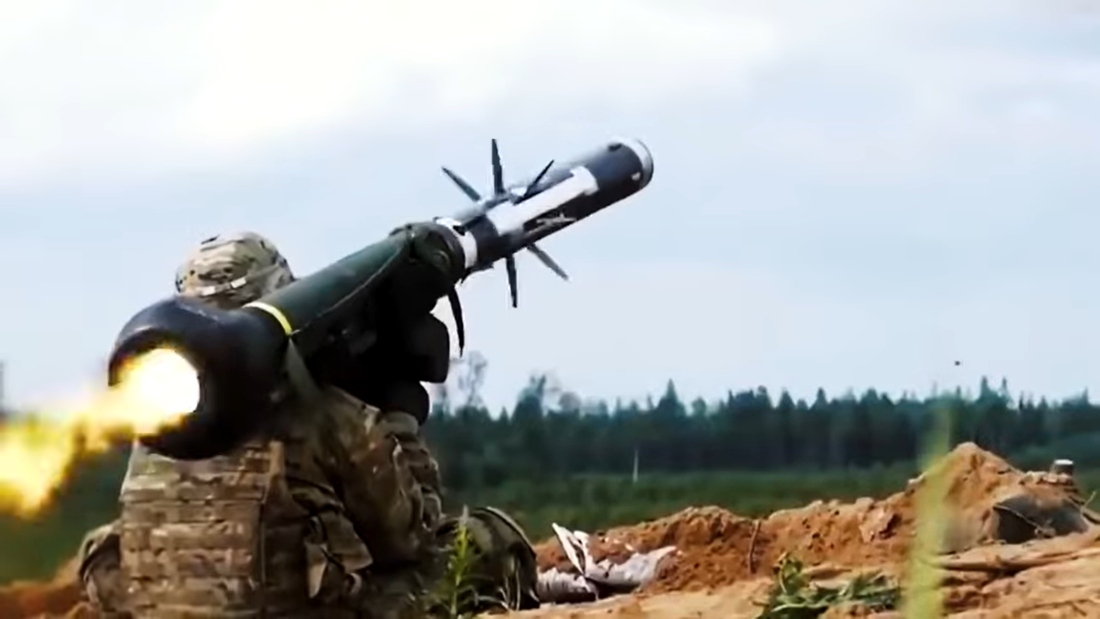
- A massive U.S. military buildup in the region continues simultaneously, creating a backdrop of threatened force alongside diplomacy.
A calculated offer from a cornered regime
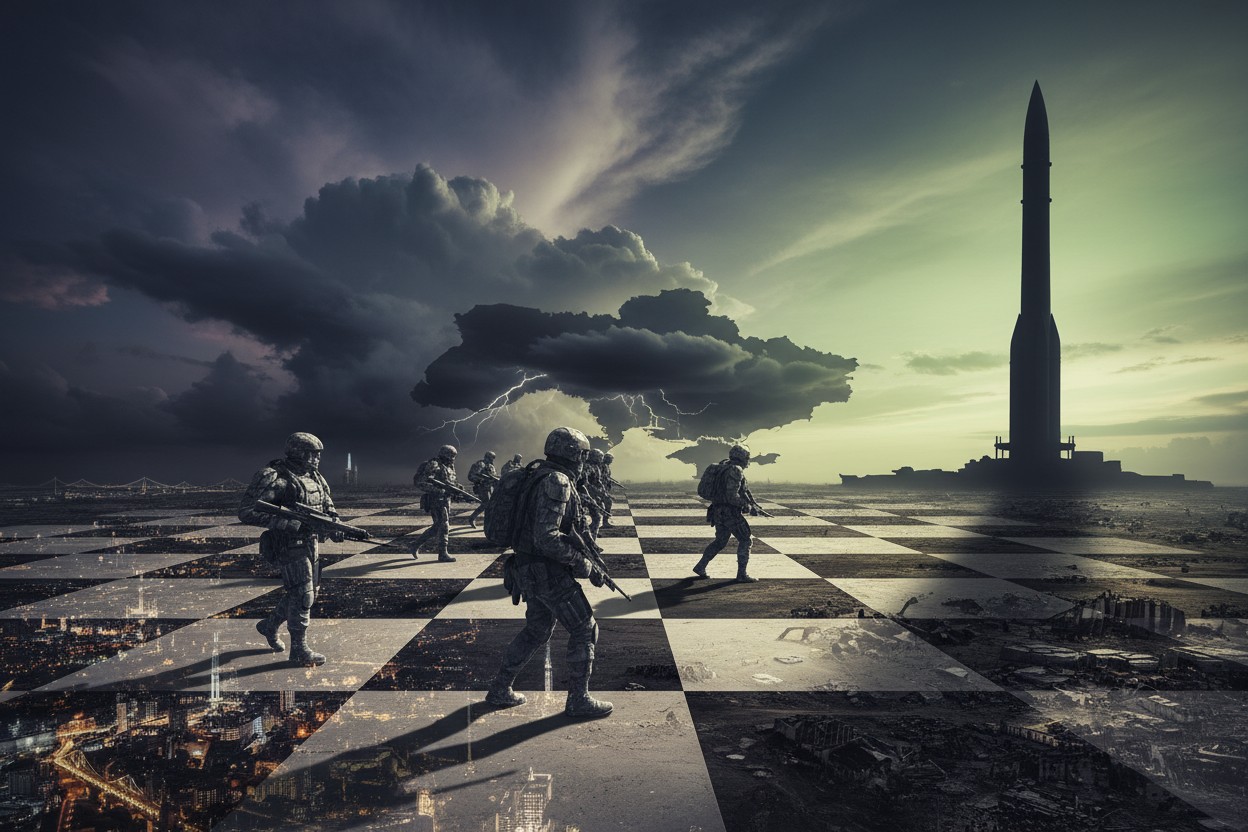
The Iranian proposal is not born from sudden goodwill but from severe duress. For years, the U.S. sanctions regime has functioned as an economic tourniquet, squeezing the Iranian populace and fueling the bloody protests that erupted last month. When the White House responded to this internal strife by threatening regime change and tightening sanctions further, it created a paradox: crushing pressure designed to force submission also increases the regime’s desperation, potentially making risky nuclear concessions more palatable than collapse. Eslami’s offer to dilute uranium enriched to 60% fissile purity—just a technical step from weapons-grade—is a major pawn placed on the chessboard. It addresses a primary U.S. and Israeli fear, that of a rapid “breakout” to a bomb, while demanding the ultimate prize for Tehran: financial relief.
This dynamic reveals the raw mechanics of modern geopolitical coercion. The U.S. wields global financial control as a weapon, aiming to starve a nation into compliance. Iran, in turn, has cultivated asymmetric military capabilities—drones and ballistic missiles—that now threaten every U.S. asset and ally in the region. As the blog Moon of Alabama notes, this has eroded the once-unquestioned power of the U.S. military in the Middle East. The Pentagon can assemble armadas, but it cannot make them invulnerable to the swarm of cost-effective weapons Iran and its proxies possess. This mutual vulnerability forms the shaky foundation upon which any deal must be built.
The brokering battle: Trump’s deal vs. Israel’s war
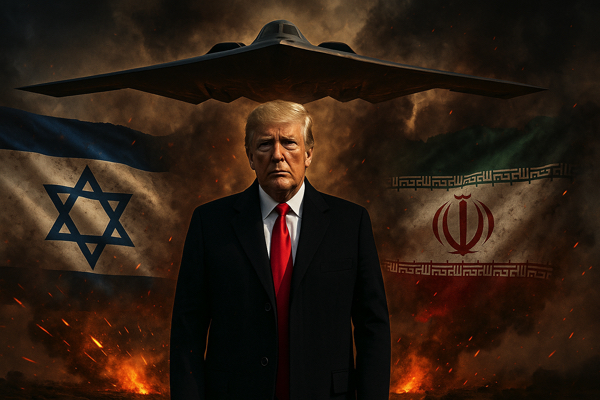
The path from this Iranian offer to a signed agreement is mined with political explosives. The most significant detonator is Israel. For the Netanyahu government, the entire framework of trading sanctions relief for nuclear limits is a disaster. Israel’s objective is not containment but the total dismantling of Iran’s power, including its missile programs and support for regional militias. These elements, however, appear to be absent from the current negotiation track. Analysis suggests Trump, ever the transactional deal-maker, is focused on securing a signable document he can parade as an achievement ahead of the election. The intricate details matter less than the headline.
This creates a dangerous rift between the U.S. and its closest Middle Eastern ally. If Trump accepts a deal that ignores Israel’s core security demands, it could trigger unilateral Israeli action. The historical playbook suggests possibilities like covert sabotage, assassinations, or false-flag attacks designed to provoke Iran into a retaliation that would then drag a reluctant United States into a direct confrontation. Supreme Leader Ayatollah Ali Khamenei’s call for a show of national “resolve” during upcoming revolution anniversary marches is a direct response to this perceived foreign plotting, an attempt to solidify domestic front against external threats.
Sources include:
Submit a correction >>
Tagged Under:
ballistic missiles, big government, CENTCOM, compromise, dangerous, diplomacy, drones, escalation, geopolitics, Globalism, Iran, Israel, JCPOA, Middle East, military buildup, military tech, national security, negotiations, nuclear, nuclear deal, Oman, progress, protests, regime change, sanctions, Trump, uranium, violence, weapons tech, WWIII
This article may contain statements that reflect the opinion of the author
RECENT NEWS & ARTICLES